

The short answer: Late April through May is the best window for excavation projects in Central New Jersey. The ground is thawed, daylight hours are long, and the soil has had time to drain from winter snowmelt. However, NJ's heavy spring rains, averaging 4 to 5 inches in April alone, require built-in schedule flexibility. Reliable contractors budget 15 to 20% extra time into spring schedules specifically for weather delays.
Long Hill Contracting has timed hundreds of excavation projects across Somerset County and Hunterdon County over 30+ years. Here's exactly how to plan your spring project to avoid delays and unnecessary costs.
Why Spring Is the Best Excavation Season in NJ
Ground Conditions
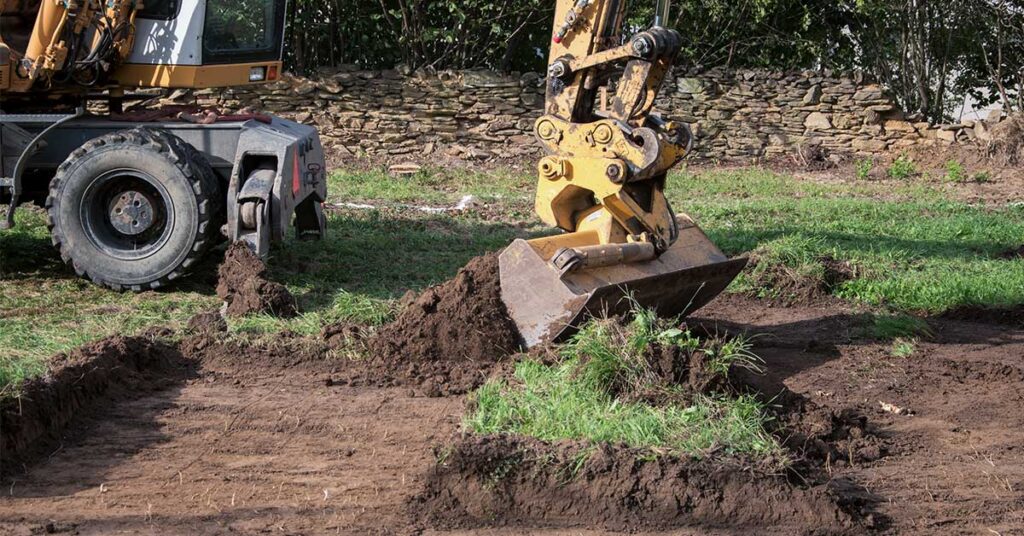
Winter freezes NJ soil solid. By late March, the thaw begins. By late April, the ground in most of Somerset and Hunterdon County is workable, meaning equipment can dig efficiently without fighting frozen earth. Excavation that takes a week in frozen January takes 2 to 3 days in April.
Daylight Hours
By May, crews can work 6:00 AM to 6:00 PM, a 12-hour productive window that doesn't exist in December's 9 hours of daylight. More working hours mean faster project completion and lower labor costs per unit of work.
Contractor Availability
Spring is when most contractors come off winter downtime and have full crews available. Early spring (March to April) offers the best scheduling flexibility before peak summer demand fills calendars. If you want your preferred contractor on your preferred dates, booking by February is ideal.
The NJ Spring Weather Problem: Rain and Clay
Here's the catch. New Jersey averages 4 to 5 inches of rain in April and 4 inches in May. Combined with snowmelt runoff, this creates challenging ground conditions, especially in clay-heavy areas.
Why clay matters for scheduling: Much of Somerset County, including Hillsborough, Bridgewater, Branchburg, and Montgomery, sits on clay-heavy soil. Clay doesn't drain as well as sandy or loamy soil does. After a significant rain, clay-based sites can be unworkable for 2 to 3 days while the ground dries enough for heavy equipment. Sandy soil areas in parts of Hunterdon County may be workable within a day.
What this means for your project: A project that requires 3 days of active excavation may take 5 to 7 calendar days in April once rain delays are factored in. This is normal, not a problem, as long as it's planned for from the start.
Month-by-Month Excavation Conditions in Central NJ
March: Ground is thawing but still saturated from winter. High risk of mud and equipment sinking. Suitable for planning and permitting, not ideal for active digging in most of Somerset County. Parts of Hunterdon County with sandier soil may be workable by late March.
April: Thawed but wet. Good for projects that can absorb 2 to 3 rain delay days per week. Late April is significantly better than early April. This is when experienced contractors begin scheduling active work.
May: The sweet spot. Ground is thawing, drainage has improved, and rainfall frequency is beginning to decrease. Long daylight hours allow maximum productivity. Most spring excavation projects should target a May start date.
June: Driest and most predictable conditions, but entering peak contractor demand. Scheduling is harder, and pricing may reflect summer premiums. Projects that slip from May into June are fine operationally, but compete with higher demand.
How to Plan Your Spring Excavation Timeline
Step 1: January to February, Plan and Permit
Finalize your project scope and design. Submit permit applications. Hillsborough, Bridgewater, Branchburg, and Flemington each have a different permitting timeline, ranging from 1 to 4 weeks. Call contractors for estimates and secure your spot on the schedule. Spring fills up fast.
Step 2: Late February to March, Pre-Work
Complete your 811 utility marking (required by NJ law before any digging). Remove any obstacles from the work area, vehicles, sheds, and landscaping that will be in the way. Confirm your contractor's start date and discuss site-specific concerns, including neighbor coordination, tree protection, and existing drainage.
Step 3: Late April to May, Execute
Active excavation. Your contractor mobilizes equipment, digs, grades, and completes the earthwork. Expect some rain delays; a well-planned project accounts for these without blowing the overall timeline.
Step 4: June, Finish and Restore
Final grading, topsoil placement, and site cleanup. If your project involves handing off to another trade (builder, septic installer, landscaper), June is when that transition happens.
Cost Impact of Seasonal Timing
When you schedule your excavation project, it directly affects what it costs:
Spring (April to May): Optimal. Equipment operates efficiently, crews work full days, and fewer delays mean less idle-time cost. This is when you get the best value for your excavation budget.
Summer (June to August): Workable but hot. Crew productivity drops in extreme heat. Contractor demand is high, which can mean longer wait times or premium pricing.
Fall (September to October): The second-best window. Cooler temps, drier soil, and good contractor availability. The risk: if work isn't finished before November, winter weather can halt progress.
Winter (December to February): Significantly more expensive. Frozen ground requires specialized equipment, short days limit productivity, and projects take 50% or more longer. Expect to pay considerably more for the same scope of work compared to spring.
Somerset County vs. Hunterdon County: Local Soil Differences
Somerset County (Hillsborough, Bridgewater, Branchburg, Montgomery, Warren Township):
Clay-dominant soil. Slower to thaw in spring. Retains water longer after rain; expect 2 to 3-day recovery periods between storms. Late April through May is the safest excavation window. Early spring work (March) carries a high risk of mud.
Hunterdon County (Flemington, Readington, Clinton, Tewksbury, Lebanon):
More varied geology. Sandy areas drain faster and may be workable by early April. Rocky areas require careful equipment planning. Overall, Hunterdon properties tend to dry out faster than Somerset, allowing slightly earlier spring starts.
Frequently Asked Questions
When is the best time to start an excavation project in NJ?
Late April through May is the optimal window for most of Somerset and Hunterdon County. The ground is thawed, soil has drained from snowmelt, and daylight hours are long enough for full-day productivity.
How much extra time should I plan for in case of spring rain delays?
Budget 15-20% additional time. A project estimated at 5 working days should have a 6-7 day calendar window to account for rain delays, especially on clay soil.
Should I book my spring excavation contractor now?
Yes. Spring is the peak demand season for excavation in NJ. Contractors book up quickly. If you want an April or May start date, secure your contractor by January or FebruaryCan excavation happen in March in NJ?
It's possible but risky. Ground may still be partially frozen or heavily saturated from snowmelt. March is better used for permitting and planning so you're ready to dig when conditions improve in April.
Is fall a good alternative to spring for excavation?
September and October are excellent alternatives, with drier soil, comfortable temperatures, and good contractor availability. The main risk is that any delays can push work into cold weather.
Key Takeaways
Book Your Spring Excavation Project
Long Hill Contracting schedules spring projects months in advance. Whether you need foundation excavation, grading, land clearing, or drainage work in Hillsborough, Bridgewater, Branchburg, Flemington, Readington, Montgomery, or anywhere in Somerset and Hunterdon County, contact us now to lock in your dates.
Long Hill Contracting | 601 Rt. 206 Suite 26-408, Hillsborough, NJ 08844 | 151 five-star Google reviews · 30+ years experience · NJ DEP licensed